

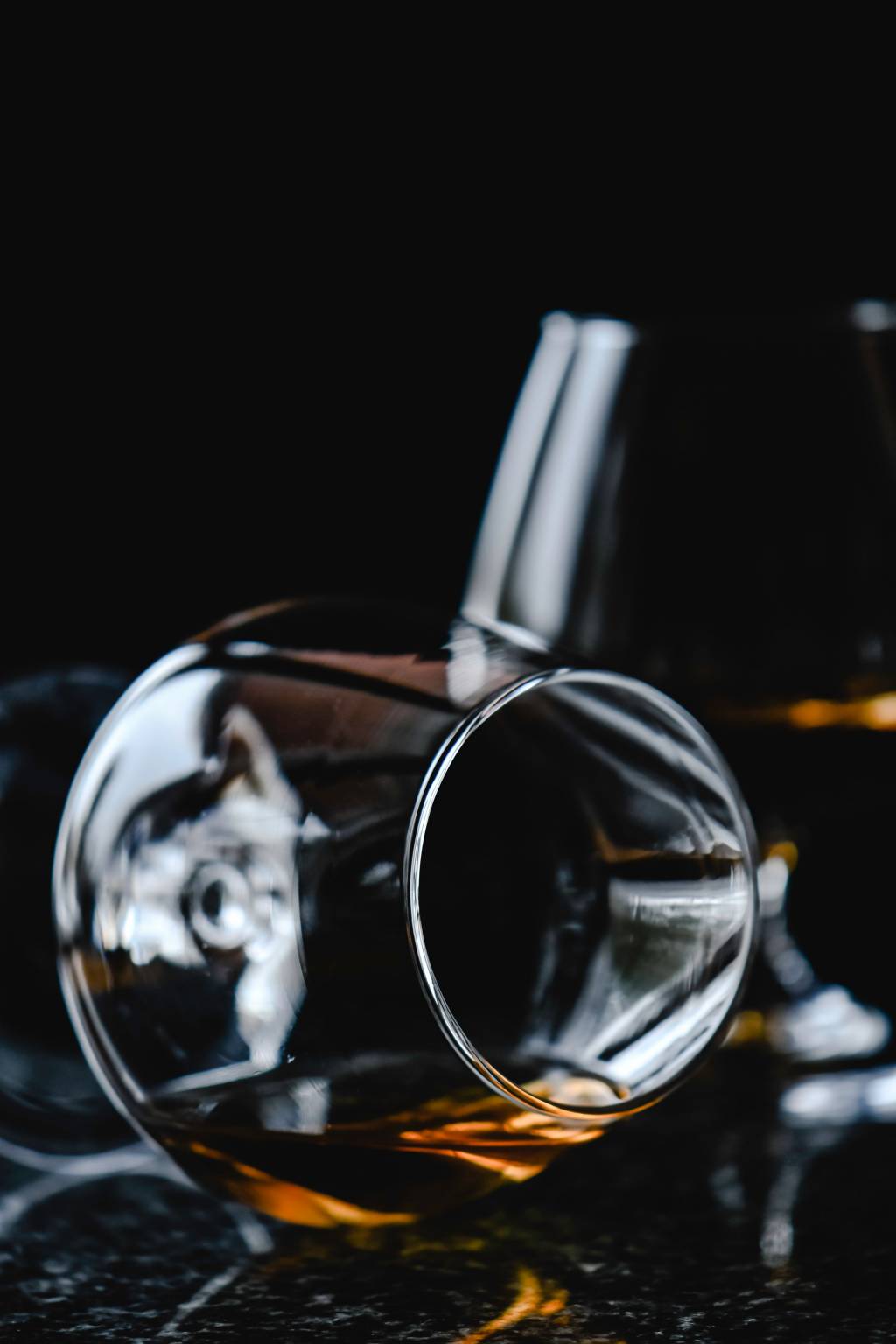
Few spirits embody elegance and depth of flavor quite like cognac. Whether you are a home enthusiast or a professional bartender, mastering a handful of essential cognac cocktails instantly elevates your mixology game. This aged French brandy offers layers of fruit, spice, and oak that shine in both spirit-forward and refreshing builds, making it a versatile backbone for sophisticated drinks.
Why Cognac Is a Must-Have for Any Home Bar
Cognac is a grape-based brandy produced in the Cognac region of France under strict regulations. Double distillation in copper pot stills and aging in French oak barrels create a complex spirit known for notes of dried fruit, vanilla, spice, florals, and caramelized sugar. These tasting notes make cognac a natural fit for classic and modern cocktails.
From an SEO and educational perspective, understanding why this spirit works so well in cocktails helps you choose the right bottle and the right recipes. A good cognac offers:
- Balance of richness and freshness: Enough weight to stand up in stirred drinks, yet lively fruit to keep tall drinks bright.
- Aromatic complexity: Floral, fruity, spicy, and woody notes that interact beautifully with citrus, bitters, and liqueurs.
- Versatility across seasons: Ideal in warming winter sippers and refreshing summer highballs alike.
If you want to expand your cocktail repertoire, cognac belongs alongside gin, rum, and whiskey as a core spirit on your shelf.
Choosing the Right Cognac for Cocktails
Not every bottle needs to be a rare, ultra-aged release. For mixology, what matters most is balance and flavor profile. Here’s how to pick the right cognac for your drinks:
- VS (Very Special): A minimum of two years in cask. Fruity, vibrant, and often more affordable. Great for highballs, long drinks, and recipes with lots of mixers where subtle nuances are less critical.
- VSOP (Very Superior Old Pale): A minimum of four years aging. More rounded, with deeper vanilla, spice, and oak notes, yet still lively. Often the sweet spot for most cocktails, especially classics.
- XO (Extra Old): A minimum of 10 years aging (often longer). Rich, complex, and luxurious. Best enjoyed neat or in minimalistic cocktails where its character is the star.
For daily mixing, aim for a well-crafted VS or VSOP from a reputable producer. Save your prized XO for sipping or for a simple stirred drink that showcases its depth.
Essential Tools and Techniques for Cognac Mixology
To do justice to your cocktails, a few basic bar tools and techniques make a big difference:
- Shaker: For drinks with citrus juice, egg white, cream, or other non-spirits that need vigorous emulsification.
- Mixing glass: For spirit-forward cocktails that should be silky and crystal clear.
- Jigger: For precise measurement. Cognac is rich; overpouring can unbalance your drink quickly.
- Hawthorne and fine strainers: To control ice and pulp, especially important for elegant presentations.
- Bar spoon: For smooth stirring and layering ingredients.
- Quality ice: Large, clear cubes or spheres melt slowly and prevent over-dilution.
Technique matters as much as recipe. As a general rule:
- Shake cocktails with juices or cloudy ingredients for about 10–15 seconds until frosty.
- Stir spirit-only cocktails with ice for 20–30 seconds until well chilled and slightly diluted.
- Chill glassware in the freezer or with ice water to keep your cocktails at peak texture and temperature.
The Iconic Sidecar: The Quintessential Cognac Cocktail
The Sidecar is a cornerstone of cognac mixology. Balanced between bright citrus and rich brandy, it is elegant, simple, and endlessly adaptable.
Classic Sidecar Recipe
- 2 oz cognac (VSOP recommended)
- 1 oz triple sec or orange liqueur (e.g., Cointreau)
- 0.75 oz fresh lemon juice
- Optional: sugar for half-rim
Method
- Rim half of a chilled coupe glass with sugar (optional).
- Add cognac, orange liqueur, and lemon juice to a shaker with ice.
- Shake vigorously until chilled.
- Fine strain into the prepared glass.
- Garnish with a lemon twist or orange peel.
This drink showcases the fruit, spice, and oak tones of cognac while staying bright and refreshing, making it ideal for beginners and seasoned drinkers alike.
French 75 (Cognac Version): Effervescent Elegance
The original French 75 was likely made with cognac before gin became more common. The cognac variation is richer and more luxurious, perfect for celebrations and brunch-worthy occasions.
Cognac French 75 Recipe
- 1 oz cognac
- 0.5 oz fresh lemon juice
- 0.5 oz simple syrup (1:1 sugar to water)
- 3 oz chilled Champagne or dry sparkling wine
Method
- Shake cognac, lemon juice, and simple syrup with ice.
- Strain into a chilled flute.
- Top with sparkling wine.
- Garnish with a thin lemon twist.
The bubbles lift the aromatics of the spirit, while the citrus keeps everything lively. This cocktail is a powerful argument for keeping a quality bottle of cognac on your bar cart.
Vieux Carré: New Orleans Sophistication in a Glass
The Vieux Carré is a sophisticated stirred cocktail originating from New Orleans. It blends cognac with rye whiskey, vermouth, and herbal liqueur for a deep, nuanced drink perfect for slow sipping.
Vieux Carré Recipe
- 0.75 oz cognac
- 0.75 oz rye whiskey
- 0.75 oz sweet vermouth
- 0.25 oz Bénédictine
- 2 dashes Peychaud’s bitters
- 2 dashes Angostura bitters
Method
- Add all ingredients to a mixing glass with ice.
- Stir until well chilled and slightly diluted.
- Strain into an old-fashioned glass over a large cube.
- Garnish with a lemon twist or cherry.
The Vieux Carré is ideal if you love Manhattan-style drinks and want to explore how cognac plays with whiskey and herbal liqueurs.
Brandy Crusta: A Historic Showpiece Cocktail
The Brandy Crusta predates many modern classics and is an impressive way to highlight the elegance of cognac. Known for its sugar-crusted rim and dramatic citrus peel, it is visually stunning and richly flavored.
Brandy Crusta Recipe
- 2 oz cognac
- 0.25 oz Maraschino liqueur
- 0.25 oz orange curaçao
- 0.25 oz fresh lemon juice
- 2 dashes Angostura or aromatic bitters
- Sugar for rim
Method
- Prepare a small wine or coupe glass with a thick sugar rim.
- Peel a long, wide strip of lemon peel and line the inside of the glass.
- Add cognac, liqueurs, lemon juice, and bitters to a shaker with ice.
- Shake and strain carefully into the prepared glass.
This classic feels decadent yet balanced, making it a great “wow” cocktail for guests.
Sazerac with Cognac: A Taste of Tradition
The Sazerac, another New Orleans icon, was originally prepared with cognac before rye became standard. Using cognac revives that original style, offering a smoother, more floral expression of the drink.
Cognac Sazerac Recipe
- 2 oz cognac
- 1 sugar cube or 0.25 oz rich simple syrup
- 2–3 dashes Peychaud’s bitters
- Absinthe or absinthe substitute (for rinsing the glass)
- Lemon peel
Method
- Rinse a chilled rocks glass with absinthe, discarding the excess.
- In a mixing glass, muddle the sugar cube with bitters (skip this if using syrup).
- Add cognac and ice; stir until thoroughly chilled.
- Strain into the prepared glass without ice.
- Express a lemon peel over the drink and discard or place on the rim.
The result is a layered, aromatic cocktail best appreciated slowly, making it a favorite for late-night sipping.
Refreshing Cognac Highballs and Long Drinks
While many associate cognac with sipping by the fireplace, it also shines in lighter, more casual builds. Highballs are an excellent way to explore its lighter side, especially in warmer weather.
Cognac and Ginger Highball
- 1.5 oz cognac
- Top with chilled ginger ale or ginger beer
- Lime wedge for garnish
Method
- Fill a highball glass with ice.
- Add cognac.
- Top with ginger ale or ginger beer.
- Gently stir and garnish with a lime wedge.
The spice from ginger pairs beautifully with the oak and fruit notes of cognac, making this an easy and crowd-pleasing drink.
Cognac Collins
- 1.5 oz cognac
- 0.75 oz fresh lemon juice
- 0.5 oz simple syrup
- Top with soda water
Method
- Shake cognac, lemon juice, and simple syrup with ice.
- Strain into an ice-filled Collins glass.
- Top with soda water and gently stir.
- Garnish with a lemon wheel and cherry.
These tall drinks demonstrate that cognac can be light and refreshing, not just rich and intense.
Food Pairings for Cognac Cocktails
Pairing cocktails with food deepens the experience and can help you plan memorable gatherings or content for a food-and-drink blog. Cognac-based cocktails work beautifully with a range of dishes:
- Sidecar and citrus-forward drinks: Pair with fried seafood, goat cheese salads, or lightly spiced chicken dishes.
- Vieux Carré and Sazerac: Ideal with charcuterie boards, aged cheeses, pâtés, and rich, savory meats.
- French 75 (cognac version): Pairs well with oysters, sushi, and light canapés; an excellent aperitif.
- Highballs: Great alongside casual fare like grilled meats, sliders, or tapas-style snacks.
When in doubt, consider the dominant flavors of the cocktail—citrus, spice, herbal notes—and echo or complement those elements on the plate.
Tips for Creating Your Own Cognac Cocktails
Once you have mastered a few classics, experimenting becomes easier. Keep these principles in mind when developing or adapting recipes:
- Start with a template: Use known structures like the Sour (spirit + citrus + sweetener), Old Fashioned (spirit + sugar + bitters), or Highball (spirit + mixer) and substitute cognac as the base.
- Mind the sweetness: Cognac often has natural fruity sweetness, so adjust syrups and liqueurs accordingly to avoid cloying drinks.
- Play with aromatics: Bitters, herbal liqueurs, and citrus peels can dramatically change the character of a drink without complicating the recipe.
- Balance is key: Taste as you go. You should be able to identify the spirit, acidity, sweetness, and bitterness without any one element overpowering the others.
- Use fresh ingredients: Freshly squeezed citrus and quality syrups highlight the sophistication of the spirit.
With these guidelines, you can easily twist classics—like swapping whiskey for cognac in a Manhattan-style drink or replacing rum in a Daiquiri template—to discover new favorites.
Bringing Cognac Mixology into Your Home Bar Routine
Building confidence with cognac cocktails does not require an expert-level setup or an extensive spirits collection. Begin with a versatile VSOP, a good orange liqueur, fresh lemons, simple syrup, and some bitters. With just those ingredients, you can craft a Sidecar, a French 75 variation, an Old Fashioned–style drink, and several experimental riffs.
As you expand, consider adding sweet and dry vermouths, herbal liqueurs like Bénédictine, and a quality sparkling wine. These additions unlock classics like the Vieux Carré and broaden your creative options.
Ultimately, cognac offers an accessible path to sophisticated mixology at home. A few essential cocktails, thoughtfully executed, can transform your understanding of the spirit and impress guests with minimal effort. With practice and curiosity, your home bar becomes a stage where the complexity and elegance of cognac take the lead—whether in a sparkling flute, an antique coupe, or a simple rocks glass cradled in your hand at the end of the day.